What is a Butterfly Valve? Where are Butterfly Valves Used?
What is a Butterfly Valve? Where are Butterfly Valves Used?
Although butterfly valves are rarely encountered in daily life, they are highly efficient engineering marvels used in almost every field of industry. They are flow control equipment that direct all types of fluids, providing great convenience in industrial processes.
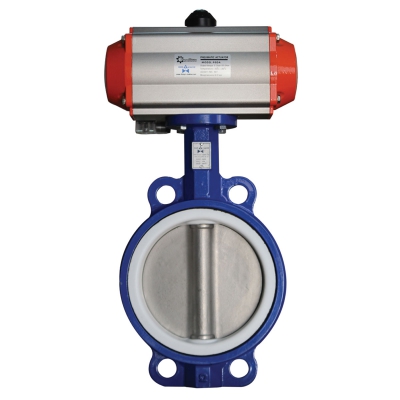
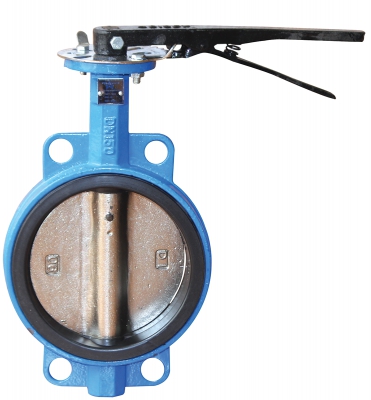
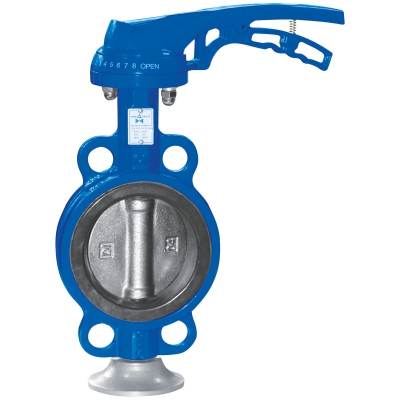
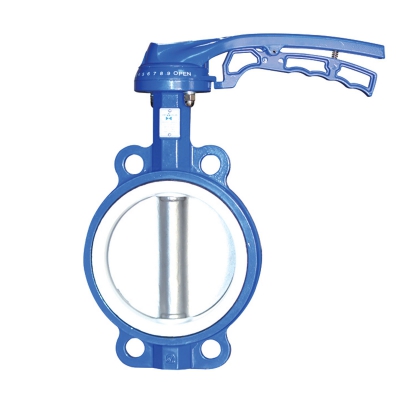
The valve gets its name from its design, which is inspired by the opening and closing movement of butterfly wings, featuring a metal part that cuts the fluid within the inner seat/liner.
The internal metal part that cuts the flow is called the disc. The main components forming a butterfly valve are as follows:
1) Body:
To ensure affordability and accessibility, the most common materials are Cast Iron (GG 25), followed by Ductile Iron (GGG 40.3), Stainless Steel 304, Stainless Steel 316, and PVC. These are generally the most preferred body types.
2) Disc:
Butterfly valve discs are generally made of:
- High-quality Nickel-plated
- Stainless Steel 304
- Stainless Steel 316
- Teflon (PTFE)
- PVC coated
These disc types are the most widely used. Depending on the process specifications, the material may vary. Engineers and technicians in the plants determine these requirements.
3) Shaft (Stem):
The shafts used in butterfly valves generally pass through the body and interface with the disc at a specific point to provide the necessary movement to direct the fluid. These are available in Stainless Steel 304-316, Nickel, Steel, and Plastic.
4) Seat (Liner/Gasket):
The seat is a critical component located between the disc and the body. It plays a major role in sealing, as it is constantly exposed to pressure and friction during operation. Its function and importance are equal to that of the disc.
The material quality is selected based on process requirements. The most commonly used materials in the industry are:
- EPDM
- NBR
- VITON
- SILICONE
- Teflon (PTFE)
These seats are selected according to the characteristics of the fluid—such as water, pressure, temperature, chemicals, steam, or oil—and then fitted into the valve body.
5) Shaft (Stem Details):
The shaft is one of the most important parts providing the core mechanical movement. It is mounted from the top flange (in some designs, a two-piece shaft is used with a smaller stem at the bottom) and enables the opening and closing action.
They are generally manufactured from WCB Steel, ST-37 Steel, Stainless Steel 410, 416, and 420. The shaft is inserted through the body and seat to engage the disc. It is supported within the body using circlips and washers.
6) Lever (Handle):
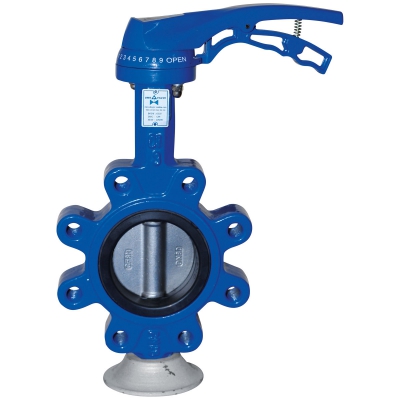
The opening and closing operations are performed via a lever connected to the top flange (preferably following the ISO 5211 standard). This manual equipment allows for a quarter-turn (90-degree) movement to operate the valve. It is integrated with a graduated position indicator plate.
All these parts together constitute a butterfly valve. Due to their low cost, ease of installation, and operational comfort, manual butterfly valves are frequently preferred in industrial pipelines between two flanges.
Two main types of butterfly valves are most commonly used:
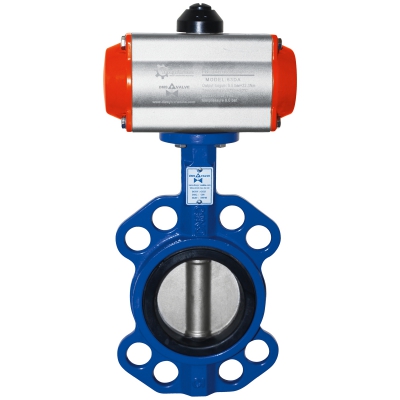
- 1- Wafer Type Butterfly Valves
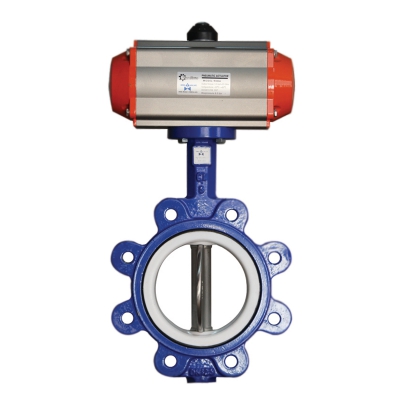
- 2- Lug Type Butterfly Valves
Both types are widely utilized in pipeline systems.
 TR
TR EN
EN